Considering a Cochlear Implant? Read This First.
So, you’re thinking about a cochlear implant. Maybe you’ve noticed your hearing aids aren’t helping the way they used to, or perhaps your audiologist has brought up the idea in a previous appointment. No matter how you got here, you’re likely wondering… what happens next?
Let’s walk through the process step-by-step so you know exactly what to expect.
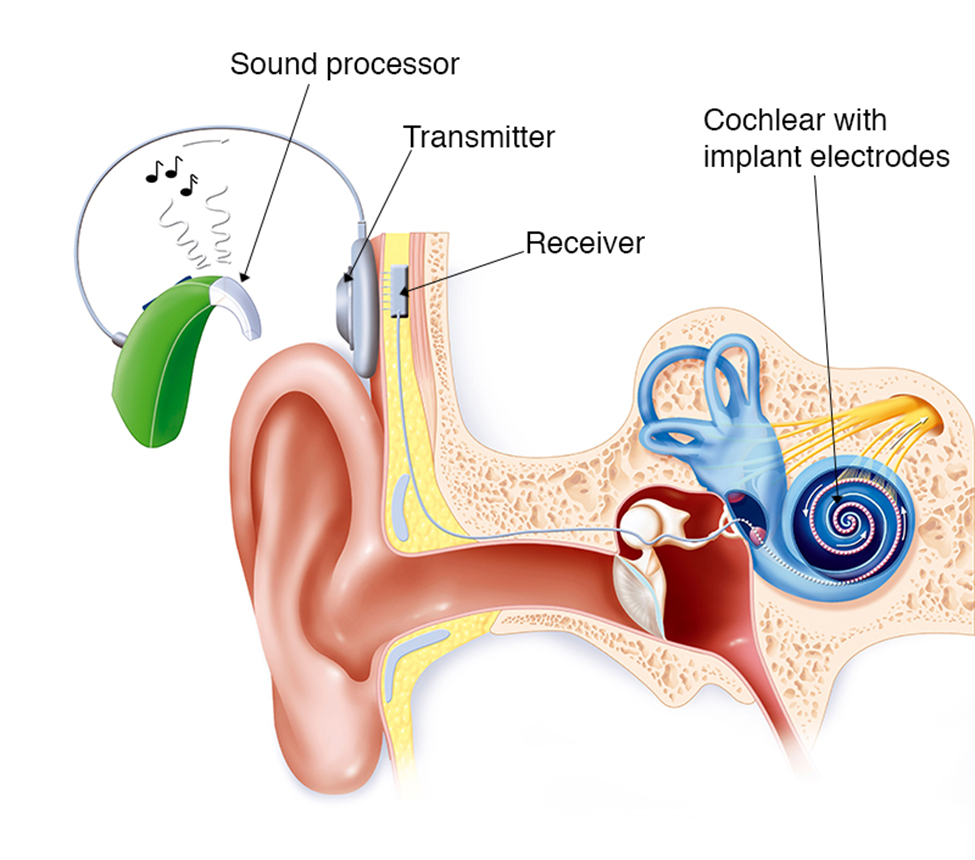
Start by Knowing Your Options
When you begin researching cochlear implants, one of the first things you’ll learn is that there are three major manufacturers:
Cochlear
Advanced Bionics
Med-EL
Each company takes a slightly different approach to restoring hearing and offers unique features, accessories, and technological benefits. Choosing the right one depends on your lifestyle, preferences, and communication needs.
One important note: Before you get your heart set on a specific device, make sure there are audiologists in your area who work with that manufacturer. Not every clinic works with all three.
Here at 4 Bridges Audiology, we partner with all three manufacturers, so our patients have full freedom to choose the device that feels right for them.
Step 1: An Updated Hearing Test
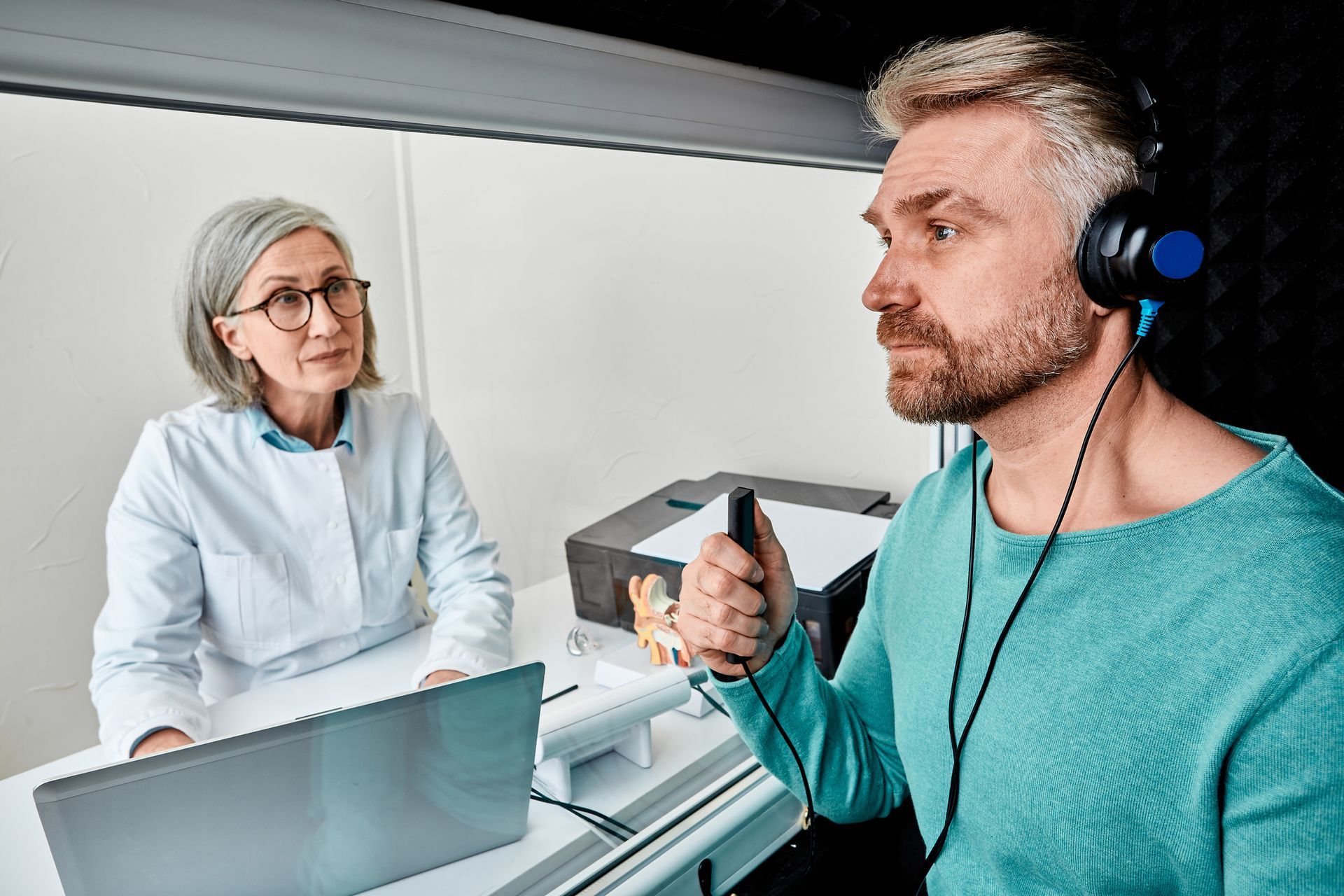
The first official step in the cochlear implant journey is an updated diagnostic hearing test. This determines whether you meet the general criteria for a cochlear implant evaluation.
Typical qualifications include:
- Pure-tone averages of 60 dB or poorer
- Speech recognition scores of 60% or worse
Your audiologist will guide you through these measurements and confirm whether it's appropriate to move forward.
Step 2: Confirming That Hearing Aids Are No Longer Helping
Cochlear implants are typically recommended when hearing aids are no longer providing enough benefit. By the time a CI is discussed, most patients have worn hearing aids for many years.
Your audiologist will ensure:
- Your hearing aids are appropriately fitted
- You’re using current technology
- You’re still not achieving meaningful speech understanding
If all signs point to limited benefit, you’ll be referred for a full cochlear implant evaluation.
Some offices do these evaluations in-house; others refer out. At 4 Bridges Audiology, we guide you through the entire process from start to finish.
Step 3: The Cochlear Implant Evaluation
Beyond your standard hearing test, the CI evaluation includes a set of speech tests performed with your hearing aids to measure how much benefit you're currently receiving.
These include:
- Sentence testing in quiet
- Sentence testing in noise (if needed)
- Word recognition testing in quiet
- Word testing in noise (if needed)
If both ears meet criteria, testing is performed on each side individually.
Some audiologists recommend implanting the ear that performs better during these tests because it generally leads to a smoother rehabilitation process. However, if both ears qualify, the final decision is always yours; you choose which ear will be implanted.
Step 4: Medical Clearance and Surgery
If both your hearing test and CI evaluation confirm candidacy, the next step is a medical evaluation with an ENT or CI surgeon. They’ll determine whether you’re healthy enough for surgery and review imaging if necessary.
Cochlear implant surgery is typically:
- Outpatient
- Straightforward
- Followed by same-day discharge for most patients
Once your surgeon schedules the procedure, your audiologist will help you plan what comes next.
Step 5: Activation Day
You'll return to your audiologist for activation, usually about two weeks after surgery, if the incision site is healing well and you’re comfortable. This is when your implant is “turned on,” and your hearing journey truly begins.
We’ll dive deeper into what activation looks like in a future post. It’s one of the most exciting parts of the process.
Wrapping Up Your CI Journey (For Now)
Considering a cochlear implant can feel overwhelming, but you’re not alone. Understanding each step, from testing to surgery to activation, can make the process feel far more manageable and even exciting.
If you're interested in learning more, we encourage you to explore the rest of our blog series. We cover everything from hearing tests to insurance questions to device options, making it easier to navigate your hearing health with confidence. Your next helpful resource is just a click away.